


Search the site:
The Delightfully Boring Alternative to Being Internet Famous
Since when did getting booked as a service provider require becoming internet famous?
You’re a consultant trying to book a few good projects, a designer who wants more of the work you’re actually good at, or a copywriter who’d love a steady stream of referrals.
And somehow, the advice is to post more, grow your audience, and become a personal brand everyone recognizes.
But here’s what I want to know: Who actually needs to know who you are for you to get hired?
Because there’s a big difference between being internet famous and being sought after for your expertise.
In this episode, we’re talking about why recognition matters more than fame, and how Reputation, Relationships, and Reach work together to help you get booked.
We started this Delightfully Boring Business series with stability, then talked about running a business that lets you have a life. Today I want to talk about what happens when you do damn good work behind the scenes and the only people who know how good you are are the ones who’ve already hired you.
Most of us who sell services do our best work behind the scenes.
The client sees it. Maybe their team sees it. Anybody outside that group might see a new website, a report, or a project that launched on time. But they have no idea what it took to get there or what you contributed along the way.
All of that can be a problem when you want to book more work, because only a small group of people know how great you are.
And when you look for advice on how to get in front of more people, the answer is always being VISIBLE. You need a personal brand. You need to post every day. You need to document your process, share your story, and make sure everybody knows your opinion about whatever happened on the internet this morning.
Suddenly you feel like you’re falling behind because you spent your week doing client work.
You Need Recognition, Not Internet Fame
When I say visibility, I don’t mean you have to be internet famous and be everywhere. If you run a solo service business, your personal brand can be as simple as being known for doing something damn well.
Say you have room for two projects next quarter. A past client knows exactly what you’re capable of because they’ve worked with you. Someone you’ve gotten to know through an industry association has seen how you think and wants to bring you in.
Congratulations! You’re booked without being chronically online, and the people who hire you know exactly what you’re good at.
That’s the beauty of a delightfully boring service business. You don’t need thousands of people paying attention to you. You need enough of the right people to know what you’re good at, trust you with their projects, and think of you when they need help.
Not exactly glamorous, but getting booked and paid without performing for the internet sounds pretty damn good to me.
So when you catch yourself thinking you should be more visible, you need to be way more specific. Who do you need to know? Who needs to know about you in order to be able to refer or hire you? And how many people actually need to know who the hell you are for you to book the work you want?
With that in mind, sure you can build a personal brand, but you don’t have to be A BRAND.
As a solo service provider, people can know you for your judgment, your expertise, how you work, and the results you deliver. Your personality can come through in the opinions you share and how you talk about your work. But you usually don’t need 1000s of people to know about you and your work.
This is where the distinction between recognition and fame comes in.
Personally, I find being “famous” both terrifying and exhausting. Fame is about being “widely and popularly known,” which means you simply don’t need to book out your services as a solo or micro business owner.
Recognition, on the other hand, is something I absolutely need, as it’s about my peers, fellow experts, and people who know me acknowledging my skills and talents. It’s the difference between being a famous TikToker and a scientist winning an award from their peers for a breakthrough.
Your Visibility Has One Job
As a solo service business owner, visibility is about one thing, which is getting booked by your ideal clients
So you don’t need to be everywhere, and you do not need to become internet famous. You’re NOT a creator who needs to reach hundreds of thousands of people.
Think of it this way. If you need 10 new clients a year, why the hell would you spend so much time feeding the algorithm?
What really matters is how those 10 clients actually find and hire someone like you. Once you know that, you can spend your marketing time on what helps them find you, trust your work, and say yes to working with you.
If you want to get booked without the bullshit, start by looking at four things in your own business. They’ll help you decide where you need to show up, who needs to see your work, and how much time it’s worth spending to reach them.
Your Clients
How do the people you want to work with find, evaluate, and hire somebody who does what you do?
Think about who actually makes that decision. If a department head has to get three people to sign off before they bring you in, what can you give them that helps them explain why you’re a good choice? A case study they can forward might do more for you than a week’s worth of LinkedIn posts.
Your Services
What are you selling, and what does someone need to know before they hire you? If the work is complicated or the value is hard to see until you’re in it, show how you approach a problem.
If the service is familiar but clients are confused about what’s included, get specific about the scope, the result, and what working with you looks like. Sometimes you need to dial in your positioning, packaging, or pricing BEFORE you spend more time on promotion. There’s only so much a bigger audience can do for an offer people struggle to understand.
Your Capacity
How much work do you want, when do you need to book it, and what marketing activities can you realistically maintain?
If you need one project in Q1, look at the people who already know your work and the inquiries you’ve already had. But If you’re changing who you serve and you have six months to build those relationships, you have room to try something that takes longer. The timing matters as much as the number of projects or clients coming in.
Your Strengths
What fits your skills, your preferences, and how you want to work?
If you’re great at talking people through a problem live and you hate making videos alone in your office, that’s useful information. Maybe you can do a workshop or talk through a client example with a collaborator. Or if you do your best thinking through writing, you might put together a case study or blog post potential clients can read when they’re deciding whether to hire you.
My Approach to Getting Booked: Solo & Sought After
Those four questions are where I start with Solo & Sought After, my approach to helping service providers get booked without the bullshit.
Say you’ve got room for two projects next quarter, and you’d love one of them to be strategy work. Who already knows you’re good at strategy? If a past client wanted to recommend you, could they send someone a case study that shows how you think?
Those are the questions I’d ask before you spend so much time and energy trying to get more people to know who the hell you are.
I want you to be sought after for the work you actually want to do more of. And I want you to have a way to keep that work coming in, even when you’re booked out.
And that might be as simple as checking in with a past client before they start planning their next project. You need a few things you can keep doing while you’re delivering client work that can save you from scrambling the minute a project wraps up.
That’s where Reputation, Relationships, and Reach come in. They work together to help you become known for the work you want to do, get recommended by the right people, and bring in new clients.
But that doesn’t mean you need to focus on all three equally or all at once. Where you put your attention depends on what your service business actually needs to get booked.
Reputation: What You’re Known For
Reputation is at the centre of Solo & Sought After because it markets you when you’re not in the room.
For example, it’s a past client who brings up your name in a meeting you didn’t know was happening. A collaborator tells someone how you got a project back on track. A prospective client reads a case study and thinks, “Oh, good. She’s dealt with this mess before.”
Reputation matters because you need the right people to know and remember why they should hire you.
This is why positioning comes before promotion in the Strategy Stack. Before you spend time getting in front of more people, you need to know who you want to work with, what you want to be hired for, and why someone should choose you.
Pay attention to what clients and collaborators already count on you for. What problems do they bring you? What do they say when they introduce you to someone? What do they appreciate about working with you?
Sometimes the things you consider completely unremarkable are exactly what makes you worth hiring.
Then make sure people can see that expertise for themselves. Your service pages should reflect what you actually want to sell. Your case studies should show how you think, what you recommended, and what happened as a result. Your testimonials should give prospective clients a sense of what it’s like to work with you and why your clients trust you.
Those foundational elements all support your reputation.
Don’t forget that the work you’re doing right now is building your reputation, too. How you communicate, handle problems, deliver on promises, and treat clients all influence whether people want to work with you again or recommend you.
Your reputation gives people a reason to remember you and hire you. And the stronger it is, the more your relationships and reach can do for your business.
Relationships: Who Knows You
Relationships are the next circle. This is your one-to-one marketing, where your reputation becomes something people have experienced firsthand.
For service providers, relationships aren’t some nice little extra you tack onto your marketing plan. They’re the reason you get hired in the first place.
Think about how many projects start because someone asks a colleague, “Do you know anyone who could help us with this?” Or because a past client has another project coming up. Or because a collaborator needs someone they trust to join a client team.
You can spend all day trying to get strangers to notice you while overlooking people who already know you’re damn good at what you do.
Some service providers stay booked through a mix of in-person networking, repeat work, collaborators, and referrals. They’ve spent years building relationships in the industries they serve. They show up, do good work, and stay in touch. When someone needs help, they’re already on the shortlist.
Click here to grab a copy of the NUDGE Referral Method Guide.
That said, your relationships need attention. You can’t assume that because someone loved working with you two years ago, you’re still top of mind.
Think about a past client who had a great experience with you. You wrapped up the work eight months ago; they said they’d love to work together again, and then you both moved on. If you know they usually start planning their next project around this time of year, you can send an email and ask how that’s going.
That’s marketing. And there’s a good chance they’ll be glad to hear from you.
This is the kind of delightfully boring marketing I love. Sending an email to a past client. Checking in with someone who regularly refers to you. Having a conversation with a collaborator about what they’re working on.
None of it makes for a particularly exciting Instagram Reel, but it can lead directly to paid client work. And isn’t that the whole damn point?
This doesn’t have to become another elaborate system. A weekly nudge to check in with someone, follow up on a conversation, or ask for a referral can make a difference.
I’d recommend doing this even when you’re fully booked. You don’t want the only time people hear from you to be when your pipeline is looking a little scary.
Reach: How More People Get to Know You
Reach is the outer circle of Solo & Sought After. It’s your one-to-many marketing, where you introduce your expertise to more people beyond your existing relationships.
Think website content, social media, podcasting, speaking, guest workshops, email newsletters, or other activities that let you share your expertise with multiple potential clients and referral sources at once.
But before you decide you need to post more or start a podcast, look at your business.
Do you actually need more people to know about you? And if so, which people?
If you’re getting plenty of inquiries but most of them aren’t from the right clients, getting in front of more people isn’t going to solve that. And if you’re fully booked with profitable work and referrals are coming in regularly, you probably don’t need to spend more time expanding your reach.
If you’re trying to break into a new industry, sell a different service, or build a pipeline beyond your existing network, reach deserves more attention.
Start with the basics. Can people find you when they’re already looking?
Say somebody hears your name at an event and Googles you. Can they find your website? Once they get there, can they tell what you do, who you work with, and how to get in touch?
If someone searches for the service you offer, are you using the words they’d actually search for? If you want to be hired for a service and the only mention of it is buried halfway down your About page, that’s worth fixing before you commit to publishing three LinkedIn posts a week.
Beyond that, the right reach activities depend on the clients you want and the work you’re selling.
If you’re trying to work with professional associations, a guest workshop could introduce you to exactly the right people. If your ideal clients attend a particular industry conference, maybe that’s where you should spend your time. If the people you want to work with are having useful conversations on LinkedIn and you enjoy participating, great. You have a reason to be there.
Notice how none of those decisions started with telling you to create more content? They started with your business:
- Who do you want to hire you?
- Where are those people?
- What do they need to know about you?
- What’s the simplest way to reach them given your capacity and everything else you’re doing?
Being sought after means being known by the people who are most likely to hire you.
If your reputation and relationships are already bringing you the kind and amount of work you want, you don’t need to keep expanding your reach
Solo & Sought After: Get Booked Without the Bullshit
So, think about the client work you actually want to book next. What services do you want to sell more of? How much work do you want to take on, and when do you have room for it?
Then look at Reputation, Relationships, and Reach. Which one needs your attention right now?
Maybe you’ve been so wrapped up in client projects that you haven’t talked to a past client or referral partner in months. Or maybe you’re ready to work with a different type of client, and you need to get in front of people who don’t know you yet.
Being Solo & Sought After means building your marketing around your service business, not the other way around. You start with the work you want to sell, the clients you want to hire you, and how much capacity you have.
Then you figure out what will actually get you booked, instead of following another marketing playbook that has fuck all to do with how service businesses work.
And that’s what I want for you: a delightfully boring way to get booked by clients you’re excited to work with.
That’s exactly the kind of thinking we’re bringing into the Staying Solo® Squad in January.
We’ll build your one-page Delightfully Booked & Unbothered Sales Plan, starting with what you want to sell, how much work you want to book, and how clients actually find and hire service providers like you.
Then we’ll figure out what needs your attention to make that happen. Maybe it’s building your reputation for a different service, getting more intentional about referrals, or finding ways to reach new clients.
You’ll walk away knowing what to focus on, what to keep doing because it’s already working, and what you can take off your damn list.

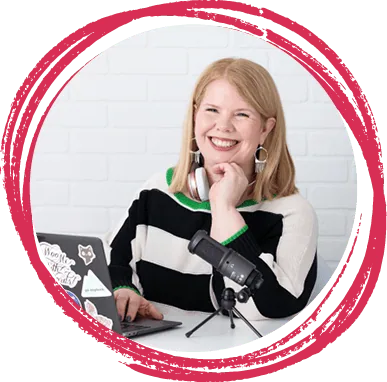
I’m Maggie Patterson (she/her), and services businesses are my business.
I have 20+ years of experience with client services, am a consultant for agency owners, creatives, and consultants, and vocal advocate for humane business practices rooted in empathy, respect, and trust.
Read or Listen to the Latest





For Solo Business Owners

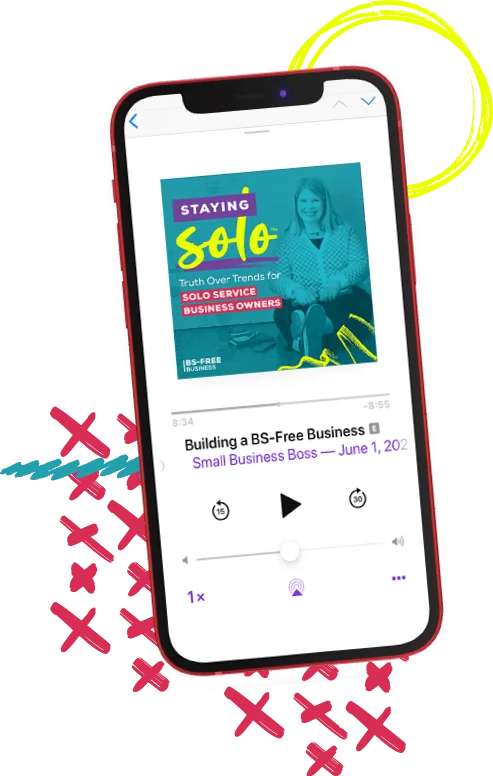
Growing a solo service business is tough.
It’s even harder when you’re bombarded with BS advice that steers you away from your values and why you started your business in the first place.
This is the podcast for solo creatives and consultants who want to remain as a team of one and have zero interest in the hustle and grind of typical business teachings.
Subscribe now and never miss an episode.


For Micro Agency Owners

Most podcasts for agency owners obsess over revenue growth as the ultimate success metric.

But here’s the truth: not everyone wants to make millions. Your goal might be to build a sustainable business that lets you have a life and doesn’t run you into the ground.
Join me as I spill my shameless confessions and share everything I’ve learned about building a micro agency that skips the BS of tired and typical agency teachings.
Follow Now on All Major Podcast Platforms